Dog Bile Reflux: Causes, Symptoms & Treatment Guide
Discover the causes, symptoms, and effective treatments for dog bile reflux. Learn how to recognize yellow vomit and when to seek veterinary care for your pet.
Jump to section
- Understanding Dog Bile Reflux: What Happens Inside Your Pet
- Recognizing Symptoms of Bile Reflux in Dogs
- Primary Symptoms
- Secondary Signs to Watch For
- Common Causes and Risk Factors for Dog Bile Reflux
- Effective Treatment Options for Dog Bile Reflux
- Dietary Management Strategies
- Medical Treatments
- Home Care and Prevention Strategies
- When to Seek Veterinary Care for Bile Reflux
- Long-term Management and Prognosis
- Frequently Asked Questions About Dog Bile Reflux
- How can I tell the difference between bile reflux and other types of vomiting?
- Can diet alone cure my dog's bile reflux?
- Is bile reflux painful for my dog?
- How long does it take to see improvement with treatment?
- Can bile reflux lead to serious complications if untreated?
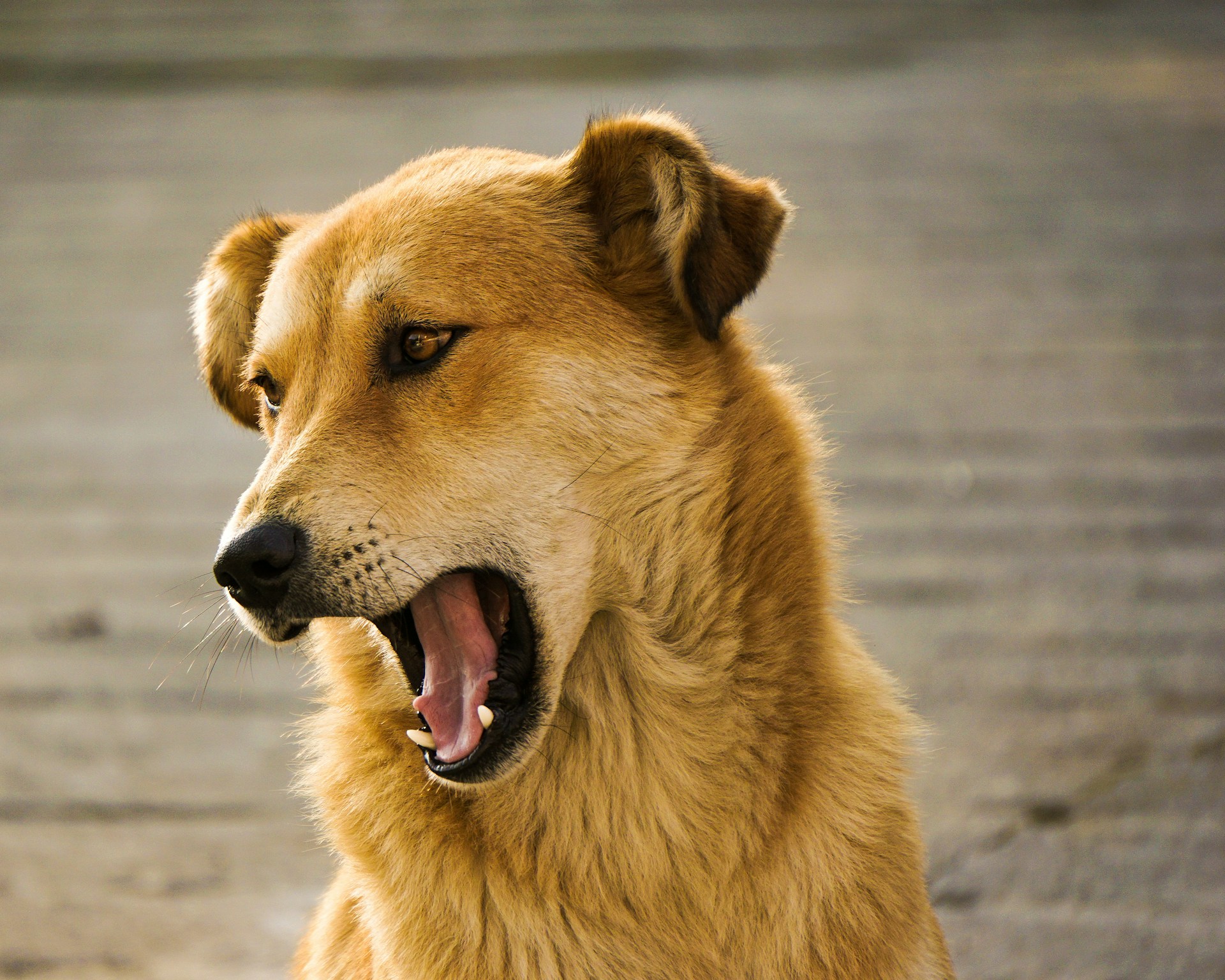
Dog bile reflux occurs when your dog's digestive system forces yellow-green bile up from the small intestine into the stomach and esophagus, often resulting in yellow vomit. This condition, also known as bilious vomiting syndrome, affects thousands of dogs annually and typically happens when their stomach remains empty for extended periods, particularly overnight or between meals.
Understanding the signs, causes, and treatment options for bile reflux can help you provide better care for your furry companion and determine when professional veterinary intervention is necessary.
Understanding Dog Bile Reflux: What Happens Inside Your Pet
Bile reflux in dogs involves a backward flow of bile from the small intestine into the stomach. Normally, bile produced by the liver travels through the bile duct to the small intestine to aid in fat digestion. However, when the pyloric sphincter (the muscle controlling flow between stomach and small intestine) doesn't function properly, bile can reflux backward.
This backward flow irritates the stomach lining, leading to inflammation and discomfort. Unlike regular stomach acid, bile is highly alkaline and particularly harsh on stomach tissues not designed to handle it regularly.
Veterinary Insight: Studies show that bile reflux is more common in dogs with empty stomachs for 8+ hours, which is why many dogs experience yellow vomiting first thing in the morning before their breakfast.
The condition differs from regular vomiting because it specifically involves bile rather than partially digested food or stomach acid. The distinctive yellow or greenish color comes from bilirubin, a pigment found in bile.
Recognizing Symptoms of Bile Reflux in Dogs
Identifying bile reflux symptoms early helps ensure prompt treatment and prevents complications. The most obvious signs include:
Primary Symptoms
-
Yellow or greenish vomit: The hallmark sign, often frothy or foamy in texture
-
Vomiting on an empty stomach: Typically occurs first thing in the morning or several hours after eating
-
Lip licking and swallowing: Signs of nausea and discomfort
-
Loss of appetite: Reluctance to eat due to stomach irritation
-
Lethargy: Reduced energy levels and activity
Secondary Signs to Watch For
-
Excessive drooling or hypersalivation
-
Restlessness, particularly at night or early morning
-
Decreased water consumption
-
Mild abdominal discomfort when touched
-
Changes in bowel movements
Unlike conditions such as gastric bloat or intestinal obstruction, bile reflux rarely causes severe acute symptoms. However, chronic bile reflux can lead to ongoing stomach inflammation and more serious digestive issues if left untreated.
Common Causes and Risk Factors for Dog Bile Reflux
Multiple factors contribute to bile reflux development in dogs. Understanding these causes helps prevent future episodes and guides treatment decisions.
| Cause Category | Specific Triggers | Risk Level |
|---|---|---|
| Dietary Factors | Extended fasting periods, irregular feeding schedules, high-fat meals | High |
| Medical Conditions | Gastritis, inflammatory bowel disease, liver disease | Medium-High |
| Medications | NSAIDs, certain antibiotics, chemotherapy drugs | Medium |
| Age-Related | Senior dogs with decreased gastric motility | Medium |
| Breed Predisposition | Small breeds, brachycephalic breeds | Low-Medium |
Empty stomach syndrome represents the most common trigger, occurring when dogs go too long between meals. When the stomach remains empty for 8-12 hours, bile accumulation increases the likelihood of reflux.
Certain medications, particularly non-steroidal anti-inflammatory drugs (NSAIDs), can increase bile reflux risk by affecting gastric motility and stomach lining integrity. Always discuss potential side effects with your veterinarian when starting new medications.
Effective Treatment Options for Dog Bile Reflux
Treatment approaches for dog bile reflux vary based on severity and underlying causes. Most cases respond well to dietary management and lifestyle modifications, though some require medical intervention.
Dietary Management Strategies
The cornerstone of bile reflux treatment involves adjusting feeding patterns and meal composition:
-
Smaller, frequent meals: Feed 2-3 smaller portions daily instead of one large meal
-
Late evening feeding: Provide a small meal 2-3 hours before bedtime to prevent overnight empty stomach
-
Low-fat diet: Reduce dietary fat content to 5-10% to minimize bile production
-
Easily digestible foods: Choose bland, simple ingredients like boiled chicken and rice
-
Consistent schedule: Maintain regular feeding times to establish predictable digestion patterns
Treatment Tip: Many veterinarians recommend giving a small bedtime snack or early morning treat to prevent the 8+ hour fasting period that commonly triggers bile reflux episodes.
Medical Treatments
When dietary modifications aren't sufficient, veterinarians may prescribe:
-
Proton pump inhibitors: Reduce stomach acid production and inflammation
-
Gastroprotectants: Coat and protect the stomach lining
-
Prokinetic agents: Improve gastric motility and reduce bile backup
-
Anti-nausea medications: Control vomiting symptoms
Home Care and Prevention Strategies
Preventing bile reflux episodes requires consistent management and environmental modifications. These home care strategies prove effective for most dogs:
Feeding Schedule Optimization: Divide your dog's daily food into 2-3 smaller meals spaced 6-8 hours apart. This prevents prolonged empty stomach periods while ensuring adequate nutrition.
Stress Reduction: Stress can exacerbate digestive issues. Provide a calm eating environment, maintain consistent routines, and consider anxiety-reducing techniques for nervous dogs.
Exercise Timing: Avoid vigorous exercise immediately before or after meals. Allow 1-2 hours between feeding and intense activity to promote proper digestion.
Water Management: Ensure constant access to fresh water, but consider limiting large water consumption immediately before meals to prevent stomach dilution.
When to Seek Veterinary Care for Bile Reflux
While mild bile reflux often responds to home management, certain situations require professional veterinary evaluation. Seek immediate care if your dog experiences:
-
Frequent vomiting: More than 2-3 episodes per week
-
Blood in vomit: Red streaks or coffee-ground appearance
-
Severe lethargy: Unusual weakness or unresponsiveness
-
Dehydration signs: Dry gums, skin tenting, excessive thirst
-
Complete appetite loss: Refusing food for 24+ hours
-
Abdominal pain: Hunched posture, reluctance to move, or crying when touched
Early veterinary intervention prevents complications and ensures accurate diagnosis. Modern telemedicine platforms like Luna's AI-powered chat and virtual consultations provide 24/7 access to veterinary guidance, helping you determine if your dog's symptoms require immediate attention or can be managed at home.
Emergency Alert: If bile reflux symptoms appear alongside signs of bloat (distended abdomen, unsuccessful vomiting attempts), seek emergency veterinary care immediately as this combination can indicate life-threatening conditions.
Long-term Management and Prognosis
Most dogs with bile reflux enjoy excellent long-term outcomes when properly managed. The condition rarely progresses to serious complications, and many dogs remain symptom-free with appropriate dietary modifications.
Monitoring Progress: Track vomiting episodes, appetite changes, and overall energy levels. Many pet owners find that keeping a simple log helps identify triggers and measure treatment effectiveness.
Regular Check-ups: Schedule follow-up appointments every 3-6 months to assess treatment response and adjust management strategies as needed.
Quality of Life: With proper management, dogs with bile reflux maintain normal activity levels, appetite, and overall well-being. The key lies in consistent care and prompt attention to symptom changes.
Frequently Asked Questions About Dog Bile Reflux
How can I tell the difference between bile reflux and other types of vomiting?
Bile reflux produces distinctive yellow or greenish vomit, typically occurs when the stomach is empty (morning or between meals), and rarely contains food particles. Regular vomiting may include partially digested food, occur after eating, and appear white, clear, or brown in color.
Can diet alone cure my dog's bile reflux?
Dietary management successfully controls bile reflux in approximately 70-80% of cases. Feeding smaller, more frequent meals and avoiding extended fasting periods often eliminates symptoms entirely. However, some dogs require additional medical treatment for complete resolution.
Is bile reflux painful for my dog?
Bile reflux causes stomach irritation and discomfort rather than severe pain. Dogs typically experience nausea, mild abdominal discomfort, and general uneasiness. Signs include lip licking, restlessness, and reluctance to eat, but rarely severe distress.
How long does it take to see improvement with treatment?
Most dogs show improvement within 3-7 days of starting appropriate treatment. Dietary modifications often reduce vomiting episodes within the first few days, while complete resolution may take 2-4 weeks. Consistency with feeding schedules and treatment recommendations is crucial for success.
Can bile reflux lead to serious complications if untreated?
Chronic untreated bile reflux can cause ongoing stomach inflammation (gastritis), esophageal irritation, and potential ulcer formation. However, these complications develop gradually and are preventable with appropriate management. Most cases remain mild and respond well to treatment.
When it comes to dog bile reflux, early recognition and consistent management are your best tools for ensuring your pet's comfort and health. While the yellow vomit and morning sickness can be concerning, remember that this condition is highly treatable and rarely leads to serious complications. By implementing proper feeding schedules, monitoring symptoms, and working with your veterinary team, you can help your dog overcome bile reflux and return to their happy, healthy lifestyle.

More from Pet Health Guidance
Dog Shedding by Season: What's Normal and What's Not
How much shedding is normal for your dog? Luna's veterinary team breaks down spring and fall coat cycles, plus the exact red flags that mean call your vet.
Sep 17, 2026 · 18 min read
Fish Oil for Dogs: Benefits, Dosage & Best Picks
Does your dog need fish oil? Luna's veterinary team breaks down the real benefits, evidence-based dosing by weight, side effects, and how to pick a good one.
Aug 6, 2026 · 14 min read
Cat Chewing on Paw: Causes, Signs & What to Do
Is your cat chewing on their paw? Learn the most common causes, from allergies to anxiety, and exactly when to call a vet. Expert guidance inside.
Jun 22, 2026 · 11 min read