Allergic Reaction to Dogs on Skin: Symptoms, Treatment & Relief
Experiencing an allergic reaction to dogs on skin? Learn symptoms, immediate treatment, prevention tips, and when to seek professional help from our experts.
Jump to section
- Understanding Allergic Reactions to Dogs on Skin
- Common Symptoms of Dog-Related Skin Allergies
- Immediate Skin Reactions
- Delayed Skin Reactions
- Severity Levels and When to Seek Help
- Immediate Treatment for Dog Allergy Skin Reactions
- Long-Term Management Strategies
- Environmental Control Measures
- Medical Treatment Options
- Prevention Strategies That Actually Work
- Professional Treatment and Diagnosis
- Living with Dog Allergies: Practical Solutions
- Frequently Asked Questions
- How long does an allergic reaction to dogs last on skin?
- Can you build immunity to dog allergies over time?
- Are certain dog breeds less likely to cause skin allergies?
- Should I get tested for dog allergies if I have skin reactions?
- Can dog allergy skin reactions become worse over time?
If you're experiencing an allergic reaction to dogs on skin, you're likely dealing with red, itchy, or inflamed skin after contact with a furry friend. Dog allergies affect approximately 10-20% of the global population, with skin reactions being one of the most common manifestations. Understanding the symptoms, triggers, and treatment options can help you manage these reactions effectively and determine whether you can still enjoy the company of dogs.
Understanding Allergic Reactions to Dogs on Skin
When you have an allergic reaction to dogs, your immune system mistakenly identifies harmless proteins found in dog dander, saliva, or urine as dangerous invaders. This triggers the release of histamine and other inflammatory chemicals, leading to various skin symptoms. The reaction typically occurs within minutes to hours of exposure and can range from mild irritation to severe inflammation.
Important Note: Dog allergies are actually caused by specific proteins (Can f 1, Can f 2, Can f 3, Can f 4, Can f 5, and Can f 6) found in dog dander, saliva, and urine - not the hair itself. This is why even "hypoallergenic" dogs can still trigger reactions in sensitive individuals.
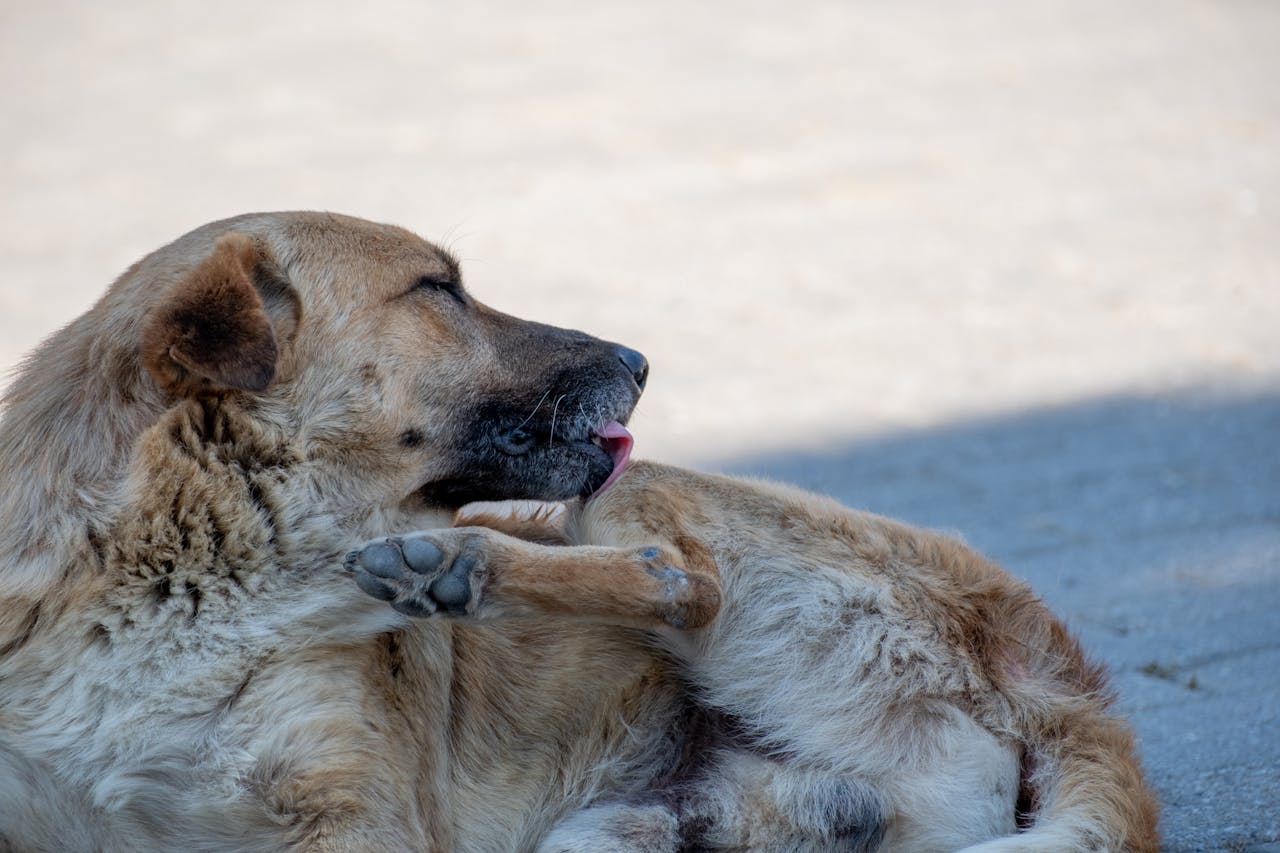
The most common allergen, Can f 1 protein, is found in dog saliva and spreads to the skin and hair through grooming. When dogs lick themselves, this protein becomes airborne as microscopic particles, settling on surfaces throughout your home and potentially causing skin reactions upon contact.
Common Symptoms of Dog-Related Skin Allergies
Recognizing the signs of an allergic reaction to dogs on your skin is crucial for proper treatment. Symptoms can vary in severity and may appear immediately or develop over several hours after exposure.
Immediate Skin Reactions
-
Red, inflamed patches where dog saliva, dander, or fur contacted your skin
-
Intense itching that may worsen with scratching
-
Raised welts or hives (urticaria) that appear as bumpy, red areas
-
Swelling of the affected skin areas
-
Burning or stinging sensations on the skin surface
Delayed Skin Reactions
-
Eczematous dermatitis - dry, scaly, or crusty skin patches
-
Persistent redness that lasts several days
-
Skin thickening from chronic scratching and inflammation
-
Secondary bacterial infections from excessive scratching
Treat Itchy and Allergic Dog Skin!!! | MUST WATCH, Doctor Lindsay Butzer DVM
Severity Levels and When to Seek Help
Understanding the severity of your allergic reaction helps determine the appropriate treatment approach and whether professional medical attention is necessary.
| Severity Level | Symptoms | Treatment Approach | When to Seek Help |
|---|---|---|---|
| Mild | Localized redness, mild itching, small hives | Over-the-counter antihistamines, cool compresses | If symptoms persist beyond 24-48 hours |
| Moderate | Widespread hives, significant swelling, intense itching | Prescription antihistamines, topical corticosteroids | Within 24 hours for proper assessment |
| Severe | Facial swelling, difficulty breathing, widespread inflammation | Emergency medical treatment, epinephrine if prescribed | Immediately - call emergency services |
Immediate Treatment for Dog Allergy Skin Reactions
When you notice an allergic reaction to dogs on your skin, taking immediate action can significantly reduce symptoms and prevent the reaction from worsening.
Step 1: Remove the Allergen Source
-
Wash the affected area immediately with lukewarm water and gentle soap
-
Remove and wash any clothing that came into contact with the dog
-
Avoid touching your face or eyes with contaminated hands
Step 2: Apply Immediate Relief Measures
-
Apply cool, damp compresses to reduce inflammation and itching
-
Use calamine lotion or aloe vera gel for soothing relief
-
Take an over-the-counter antihistamine like cetirizine (Zyrtec) or loratadine (Claritin)
-
Apply a 1% hydrocortisone cream to reduce inflammation (use sparingly)
Pro Tip: Keep your fingernails short and avoid scratching the affected areas. Scratching can worsen inflammation, delay healing, and potentially lead to secondary bacterial infections that require antibiotic treatment.
Long-Term Management Strategies
If you frequently experience allergic reactions to dogs on skin, developing a comprehensive management plan can help you minimize exposure and reduce reaction severity.
Environmental Control Measures
-
HEPA air purifiers can remove airborne dog dander particles
-
Regular vacuuming with HEPA filters on carpets, upholstery, and pet bedding
-
Washing hands immediately after any contact with dogs
-
Designating dog-free zones in your home, especially bedrooms
-
Using allergen-proof covers on mattresses and pillows
Medical Treatment Options
For individuals with persistent or severe reactions, several medical treatments can provide relief:
-
Prescription antihistamines: More potent than over-the-counter options
-
Topical corticosteroids: Stronger formulations for stubborn inflammation
-
Immunotherapy (allergy shots): Can reduce sensitivity over 3-5 years
-
Sublingual immunotherapy: Under-the-tongue tablets for gradual desensitization
Dog itching like crazy? Use this fast acting, safe and effective OTC antihistamine!, Veterinary Secrets
Prevention Strategies That Actually Work
Preventing allergic reactions to dogs on skin requires a multi-faceted approach that addresses both direct contact and environmental exposure.
Before Dog Interaction:
-
Take a non-sedating antihistamine 30-60 minutes before expected exposure
-
Wear long sleeves and pants when visiting homes with dogs
-
Apply a thin layer of petroleum jelly around nostrils to trap allergens
During Dog Interaction:
-
Avoid touching your face, especially around eyes and nose
-
Pet dogs gently to minimize dander release
-
Limit direct contact time to reduce allergen accumulation
After Dog Interaction:
-
Wash hands and forearms thoroughly with soap and water
-
Change clothes and shower if possible
-
Use eye drops to flush out any allergens
Professional Treatment and Diagnosis
If you suspect you're experiencing allergic reactions to dogs on skin, professional medical evaluation can provide definitive diagnosis and personalized treatment plans. Modern telemedicine platforms like Luna's 24/7 veterinary care service can also help pet owners understand their pets' role in allergic reactions and develop strategies for coexistence.
Diagnostic Tests Available:
-
Skin prick tests: Direct application of dog allergen extracts to identify specific sensitivities
-
Blood tests (RAST or ImmunoCAP): Measure specific IgE antibodies to dog proteins
-
Patch testing: For delayed-type allergic reactions
-
Component testing: Identifies which specific dog proteins trigger your reactions
Did You Know? Studies show that up to 27% of people with dog allergies can develop tolerance through controlled, gradual exposure combined with proper medical management. This process should always be supervised by healthcare professionals.
Living with Dog Allergies: Practical Solutions
Having an allergic reaction to dogs on skin doesn't necessarily mean you can't be around dogs at all. Many people successfully manage their allergies while maintaining relationships with dog-owning friends and family.
Choosing Dog-Friendly Medications:
-
Cetirizine (Zyrtec): 24-hour relief, minimal drowsiness
-
Fexofenadine (Allegra): Non-drowsy, good for daytime use
-
Loratadine (Claritin): Long-lasting, available over-the-counter
-
Desloratadine (Clarinex): Prescription-strength, once-daily dosing
Home Modification Strategies:
-
Install HVAC filters rated MERV 11 or higher to capture pet dander
-
Choose hard flooring over carpets where possible
-
Use washable window treatments instead of heavy drapes
-
Maintain humidity levels between 40-50% to reduce airborne allergens
Frequently Asked Questions
How long does an allergic reaction to dogs last on skin?
Most mild to moderate allergic reactions to dogs on skin resolve within 24-48 hours with proper treatment. However, severe reactions or those complicated by secondary infections may take 7-10 days to fully heal. The duration depends on the severity of exposure, your sensitivity level, and how quickly you implement treatment measures.
Can you build immunity to dog allergies over time?
Some people can develop tolerance to specific dogs they live with, but this doesn't guarantee immunity to all dogs. This process, called "natural desensitization," occurs in about 15-25% of dog allergy sufferers. However, it's unpredictable and can take months to years. Medical immunotherapy offers a more reliable approach to building tolerance.
Are certain dog breeds less likely to cause skin allergies?
While no dog breed is truly 100% hypoallergenic, some breeds produce fewer allergens or shed less dander. Breeds like Poodles, Portuguese Water Dogs, and Xoloitzcuintlis may cause fewer reactions in some sensitive individuals. However, individual dogs within any breed can vary significantly in allergen production.
Should I get tested for dog allergies if I have skin reactions?
Yes, professional allergy testing is recommended if you experience recurring skin reactions around dogs. Testing can identify specific dog proteins you're allergic to, determine severity levels, and rule out other potential allergens. This information helps healthcare providers develop targeted treatment plans and determine if immunotherapy might be beneficial.
Can dog allergy skin reactions become worse over time?
Dog allergies can potentially worsen with repeated exposure, especially without proper management. However, they can also sometimes improve or remain stable. The progression varies greatly among individuals. Some people experience increasingly severe reactions, while others may develop tolerance. Regular monitoring with healthcare professionals helps track changes and adjust treatment accordingly.
Managing an allergic reaction to dogs on skin requires understanding your triggers, implementing immediate treatment measures, and developing long-term strategies for prevention and control. While dog allergies can be challenging, many people successfully manage their symptoms through a combination of environmental modifications, appropriate medications, and professional medical guidance. Remember that effective management is possible, and you don't have to choose between your health and enjoying the companionship that dogs can bring to your life.

More from Pet Health Guidance
Dog Shedding by Season: What's Normal and What's Not
How much shedding is normal for your dog? Luna's veterinary team breaks down spring and fall coat cycles, plus the exact red flags that mean call your vet.
Sep 17, 2026 · 18 min read
Fish Oil for Dogs: Benefits, Dosage & Best Picks
Does your dog need fish oil? Luna's veterinary team breaks down the real benefits, evidence-based dosing by weight, side effects, and how to pick a good one.
Aug 6, 2026 · 14 min read

Cat Chewing on Paw: Causes, Signs & What to Do
Is your cat chewing on their paw? Learn the most common causes, from allergies to anxiety, and exactly when to call a vet. Expert guidance inside.
Jun 22, 2026 · 11 min read