Cat Not Eating After Spay: When to Worry & How to Help
Is your cat not eating after spay surgery? Learn normal recovery signs vs. red flags, plus proven methods to encourage eating and ensure safe healing.
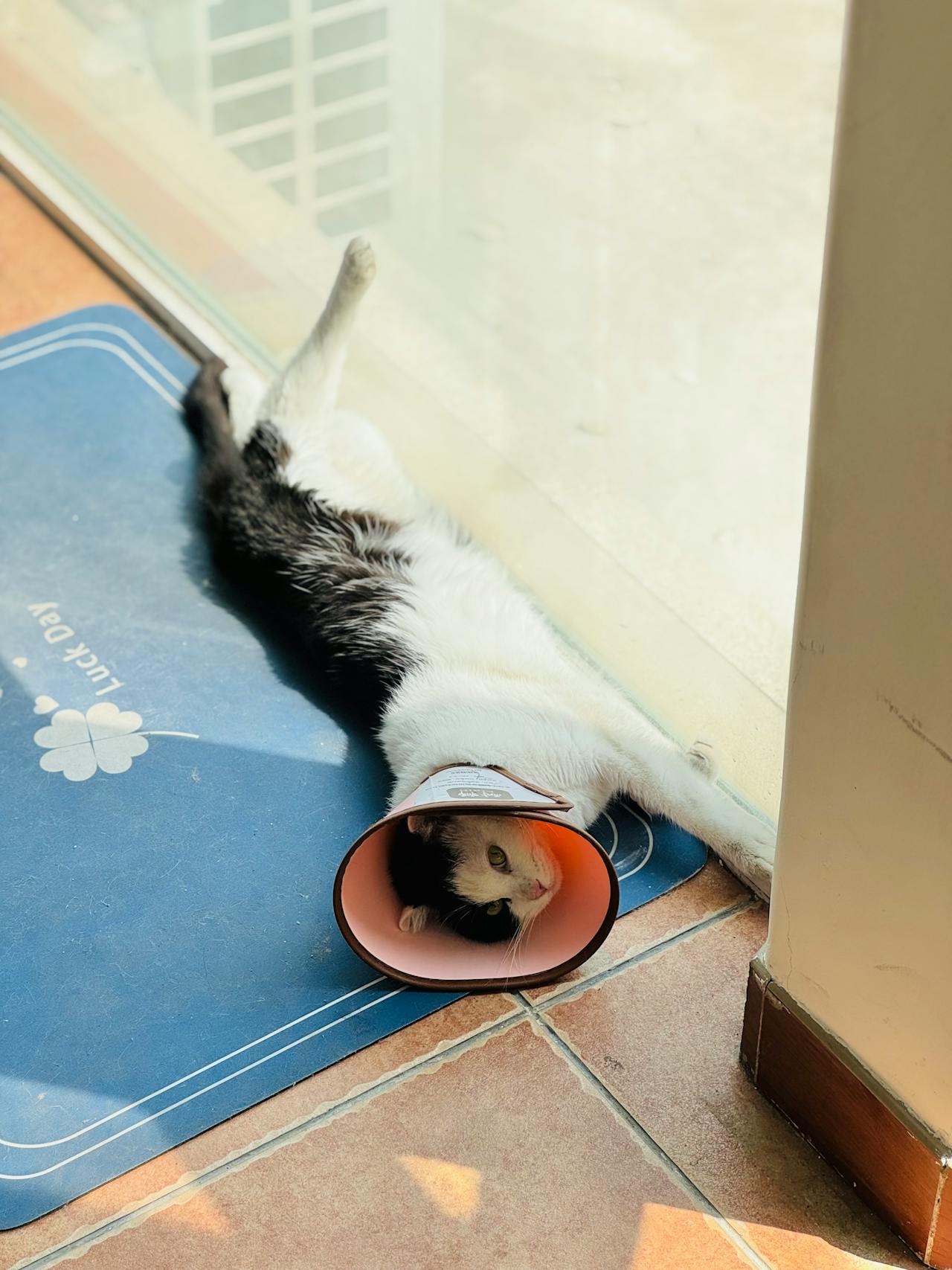
Jump to section
- Why Cats Stop Eating After Spay Surgery
- Normal vs. Concerning Signs: When Cat Not Eating After Spay Becomes Serious
- Proven Methods to Encourage Eating After Spay Surgery
- Food Temperature and Texture Modifications
- High-Value Food Options
- Environmental Strategies
- Hydration: Critical for Recovery
- Timeline: What to Expect During Recovery
- When to Contact Your Veterinarian
- Supporting Long-term Recovery
- Prevention Strategies for Future Surgeries
- Nutritional Considerations During Recovery
- Frequently Asked Questions
- How long is it normal for a cat not to eat after spay surgery?
- Should I force-feed my cat if she won't eat after being spayed?
- What are the best foods to tempt a cat to eat after spay surgery?
- Can pain medication affect my cat's appetite after spaying?
- When should I be worried about my cat not drinking water after spay surgery?
If your cat is not eating after spay surgery, you're likely feeling worried and wondering if this is normal. The good news is that appetite loss immediately following spay surgery is common and usually temporary. Most cats experience reduced appetite for 24-48 hours post-surgery due to anesthesia effects, pain, and stress. However, understanding when appetite loss becomes concerning and knowing how to encourage eating can make a significant difference in your cat's recovery.
Post-surgical appetite changes affect approximately 70% of cats within the first 48 hours after spaying, according to veterinary recovery studies. While this is typically part of the normal healing process, prolonged appetite loss can lead to serious complications, making it crucial to know what's normal versus when to seek veterinary care.
Why Cats Stop Eating After Spay Surgery
Several factors contribute to appetite loss following spay surgery, and understanding these causes helps determine appropriate responses:
Anesthesia effects are the primary culprit. General anesthesia can cause nausea and disorientation that persists for 12-24 hours post-surgery. The medications used during surgery may also affect taste perception and stomach sensitivity, making food less appealing to your cat.
Pain and discomfort naturally suppress appetite. Despite pain medication, cats may still experience soreness around the incision site, making movement to food bowls uncomfortable. The unfamiliar sensation of surgical pain can also trigger stress responses that inhibit hunger.
Stress and environmental changes play a significant role. The veterinary visit, overnight stay (if required), and post-surgical restrictions disrupt your cat's routine. Cats are creatures of habit, and these disruptions can suppress appetite even after physical recovery begins.
Important: While appetite loss is common, cats should never go more than 2-3 days without eating. Unlike dogs, cats can develop hepatic lipidosis (fatty liver syndrome) when they don't eat, which can be life-threatening.
Normal vs. Concerning Signs: When Cat Not Eating After Spay Becomes Serious
Distinguishing between normal post-surgical appetite changes and concerning symptoms is crucial for your cat's recovery:
| Normal Recovery Signs | Concerning Warning Signs |
|---|---|
| Reduced appetite for 24-48 hours | No eating for 3+ days |
| Eating smaller portions than usual | Complete refusal of all food and treats |
| Slight lethargy and increased sleeping | Severe lethargy or unresponsiveness |
| Mild discomfort when moving | Excessive vocalization or hiding |
| Gradual improvement by day 2-3 | Worsening symptoms after 48 hours |
| Normal urination and defecation | Vomiting, diarrhea, or no bowel movements |
Red flag symptoms that require immediate veterinary attention include:
-
Complete food refusal for more than 48 hours
-
Vomiting or retching attempts
-
Excessive drooling or difficulty swallowing
-
Signs of dehydration (tacky gums, skin tenting)
-
Incision site complications (swelling, discharge, opening)
-
Extreme lethargy or behavioral changes
Proven Methods to Encourage Eating After Spay Surgery
Several strategies can help stimulate your cat's appetite during recovery:
Food Temperature and Texture Modifications
Warming food slightly enhances aroma and palatability. Heat wet food to room temperature or slightly warm (never hot) to make it more appealing. The enhanced smell can overcome reduced appetite caused by anesthesia effects.
Offer different textures to find what appeals to your recovering cat. Some cats prefer pâté-style wet food, while others respond better to chunky varieties or even baby food (ensure it's chicken or turkey without onion or garlic).
High-Value Food Options
Tempt your cat with especially appealing foods:
-
Cooked chicken or fish (plain, no seasonings)
-
Tuna water or low-sodium chicken broth
-
Freeze-dried treats rehydrated with warm water
-
Prescription recovery diets designed for post-surgical patients
Environmental Strategies
Create a comfortable eating environment by placing food and water bowls close to your cat's resting area. Minimize the need for movement while maintaining easy access to nutrition.
Use shallow dishes to prevent whisker fatigue and make eating more comfortable. Some cats also prefer eating from flat plates rather than deep bowls when feeling unwell.
My Cat Won't Eat After Being Spayed - What Should I Do?, Just A Cat Lover
Hydration: Critical for Recovery
Maintaining proper hydration is equally important as encouraging food intake. Dehydration can develop quickly in cats who aren't eating or drinking normally.
Signs of dehydration include:
-
Tacky or dry gums
-
Skin tenting (skin doesn't snap back when pinched)
-
Sunken eyes
-
Reduced urination
Encourage water intake through multiple strategies:
-
Provide fresh water in multiple locations
-
Use a water fountain if your cat prefers moving water
-
Offer low-sodium broth or tuna water
-
Feed wet food to increase moisture intake
-
Add water to dry kibble to create a slurry
Pro Tip: Monitor your cat's litter box habits. Normal urination indicates adequate hydration, while reduced or absent urination may signal dehydration requiring veterinary intervention.
Timeline: What to Expect During Recovery
Understanding the typical recovery timeline helps set realistic expectations and identify when intervention is needed:
Day 0-1 (Surgery Day): Complete appetite loss is normal. Focus on keeping your cat comfortable and offering small amounts of water. Many cats won't eat anything for the first 12-24 hours.
Day 2-3: Most cats begin showing interest in food, though portions may be smaller than normal. This is when gentle encouragement techniques become most effective.
Day 4-7: Appetite should gradually return to normal. Cats typically resume regular eating patterns by day 5-7, though individual recovery times vary.
Week 2 and beyond: Full appetite recovery should be complete. If eating remains poor beyond 10-14 days, underlying complications may be present.
When to Contact Your Veterinarian
Knowing when professional intervention is necessary can prevent serious complications:
Contact your vet within 24 hours if:
-
No food intake for 48+ hours
-
Signs of dehydration develop
-
Vomiting occurs more than once
-
Incision site shows signs of infection
-
Your cat seems unusually lethargic or unresponsive
Seek emergency care immediately if:
-
No eating or drinking for 3+ days
-
Repeated vomiting or retching
-
Difficulty breathing
-
Incision opens or shows significant swelling
-
Pale or yellow gums (possible liver involvement)
How to care for your pet after spay/neuter surgery, Animal Humane Society
Supporting Long-term Recovery
Beyond addressing immediate appetite concerns, supporting your cat's overall recovery promotes faster healing:
Maintain medication schedules as prescribed. Pain medication and antibiotics play crucial roles in recovery, and skipping doses can prolong healing and appetite issues.
Create a quiet recovery space away from other pets and household disruptions. Stress significantly impacts appetite and healing, so providing a calm environment accelerates recovery.
Monitor for complications beyond appetite loss. Watch for signs of infection, excessive licking at the incision, or behavioral changes that might indicate pain or illness.
Gradual activity increase helps normalize eating patterns. As your cat feels better and becomes more active, appetite typically follows. However, maintain activity restrictions as directed by your veterinarian.
Prevention Strategies for Future Surgeries
If your cat requires future surgical procedures, several strategies can minimize post-operative appetite issues:
Pre-surgical preparation includes maintaining your cat's regular routine as much as possible before the procedure. Well-hydrated, well-nourished cats typically recover faster.
Discuss appetite stimulants with your veterinarian. In some cases, prescription appetite stimulants may be appropriate for cats with a history of prolonged post-surgical appetite loss.
Plan recovery environment in advance. Having favorite foods, comfortable bedding, and a quiet space ready before surgery reduces stress during the critical first few days.
Did You Know? Studies show that cats who receive consistent post-operative monitoring and appetite support recover 30% faster than those left to recover without intervention.
Nutritional Considerations During Recovery
Proper nutrition during recovery supports healing and prevents complications:
Caloric needs may be higher during healing, but smaller, frequent meals are often better tolerated than large portions. Offer food 4-6 times daily in smaller amounts rather than 1-2 large meals.
Protein requirements increase during healing. High-quality, easily digestible proteins support tissue repair. Consider prescription recovery diets formulated specifically for post-surgical patients.
Avoid dietary changes during recovery unless necessary. Stick with familiar foods to minimize digestive upset. New diets can be introduced after full recovery.
Frequently Asked Questions
How long is it normal for a cat not to eat after spay surgery?
It's normal for cats to have reduced or no appetite for 24-48 hours after spay surgery. However, if your cat hasn't eaten anything for more than 2-3 days, contact your veterinarian immediately as this can lead to serious complications like hepatic lipidosis.
Should I force-feed my cat if she won't eat after being spayed?
Never force-feed a cat, as this can cause stress, aspiration, or injury. Instead, try appetite-stimulating techniques like warming food, offering high-value treats, or using appetite stimulants prescribed by your veterinarian. If gentle encouragement doesn't work within 48 hours, seek professional help.
What are the best foods to tempt a cat to eat after spay surgery?
The best foods include slightly warmed wet food, plain cooked chicken, low-sodium chicken broth, tuna water, and baby food (chicken or turkey without onions/garlic). These options are highly palatable and easy to digest. Prescription recovery diets are also excellent choices.
Can pain medication affect my cat's appetite after spaying?
Yes, pain medications can sometimes reduce appetite, but untreated pain is more likely to suppress eating. The benefits of proper pain management typically outweigh appetite side effects. If you suspect medication is affecting appetite, consult your veterinarian about alternatives rather than stopping prescribed medications.
When should I be worried about my cat not drinking water after spay surgery?
Cats should drink some water within 24 hours of surgery. Signs of concerning dehydration include tacky gums, skin tenting, reduced urination, and lethargy. If your cat hasn't had any water for more than 24 hours or shows dehydration signs, contact your veterinarian immediately.
When dealing with a cat not eating after spay surgery, remember that patience and proper monitoring are key. While appetite loss is common in the first 48 hours, most cats recover their eating habits within a week with appropriate care and encouragement. The combination of gentle appetite stimulation techniques, proper hydration support, and knowing when to seek professional help ensures the best possible recovery for your feline companion. By understanding what's normal versus concerning and taking proactive steps to support your cat's recovery, you can help ensure a smooth return to normal eating patterns and overall health.

More from Pet Health Guidance

Dog Shedding by Season: What's Normal and What's Not
How much shedding is normal for your dog? Luna's veterinary team breaks down spring and fall coat cycles, plus the exact red flags that mean call your vet.
Sep 17, 2026 · 18 min read

Fish Oil for Dogs: Benefits, Dosage & Best Picks
Does your dog need fish oil? Luna's veterinary team breaks down the real benefits, evidence-based dosing by weight, side effects, and how to pick a good one.
Aug 6, 2026 · 14 min read
Cat Chewing on Paw: Causes, Signs & What to Do
Is your cat chewing on their paw? Learn the most common causes, from allergies to anxiety, and exactly when to call a vet. Expert guidance inside.
Jun 22, 2026 · 11 min read